The invitation came from Josh Shapiro himself. It was the chapter meeting of a local Los Angeles watch club at his factory. They’d be gathering to check out Josh’s watches, in the steel. I could come too to check out it out.
I rarely look forward to the drive from Los Angeles to Torrance, CA. But this time, I was genuinely excited. JN Shapiro isn’t just building watches; he’s rebuilding American watchmaking, one guilloché dial at a time.

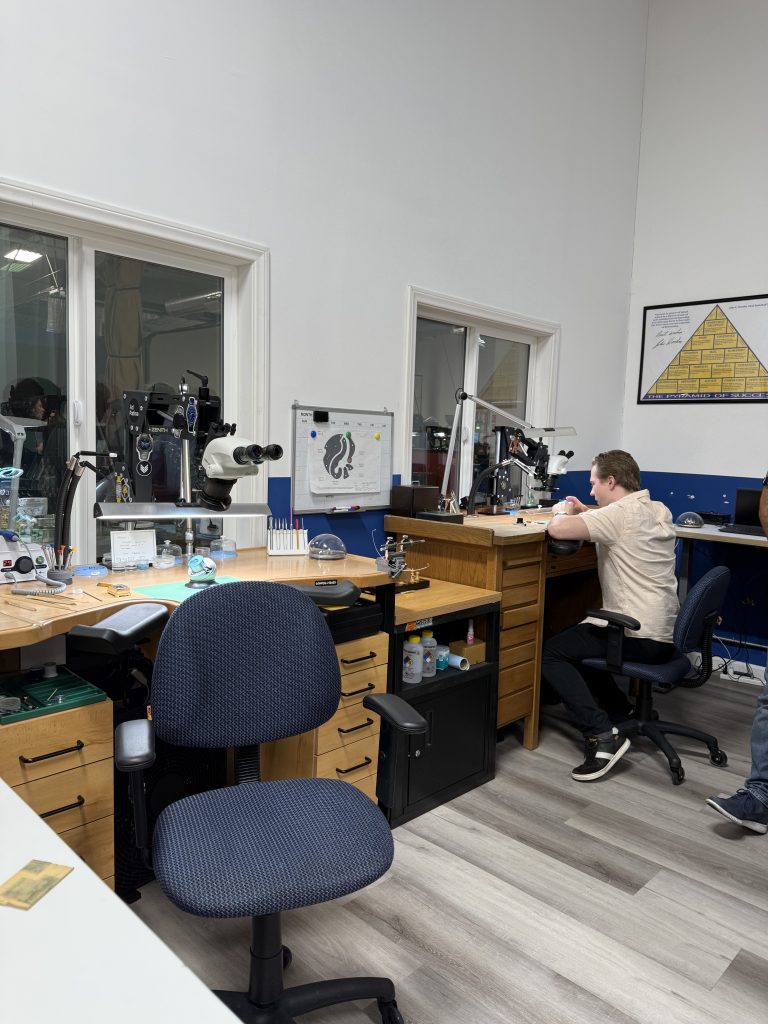
I arrived late. Even so, the place was buzzing. The machine shop was larger than expected: clean, orderly, and clearly far from a work-from-home setup. Josh leads a tight-knit team of about ten young, talented craftspeople, who are not only highly skilled, but visibly passionate about both the product and the process.
Today we know that high quality watches can come from just about anywhere, Switzerland, Japan, and even China. But after the Quartz Crisis, the United States never recovered, and has lagged behind, with only a handful of brands manufacturing here.
Shapiro is changing that. He began cutting his own guilloché dials here in 2015, not to lean on the “American-made” label, but simply to make world-class watches. That they happen to be made here is incidental. The mission has always been quality. What could be more patriotic?
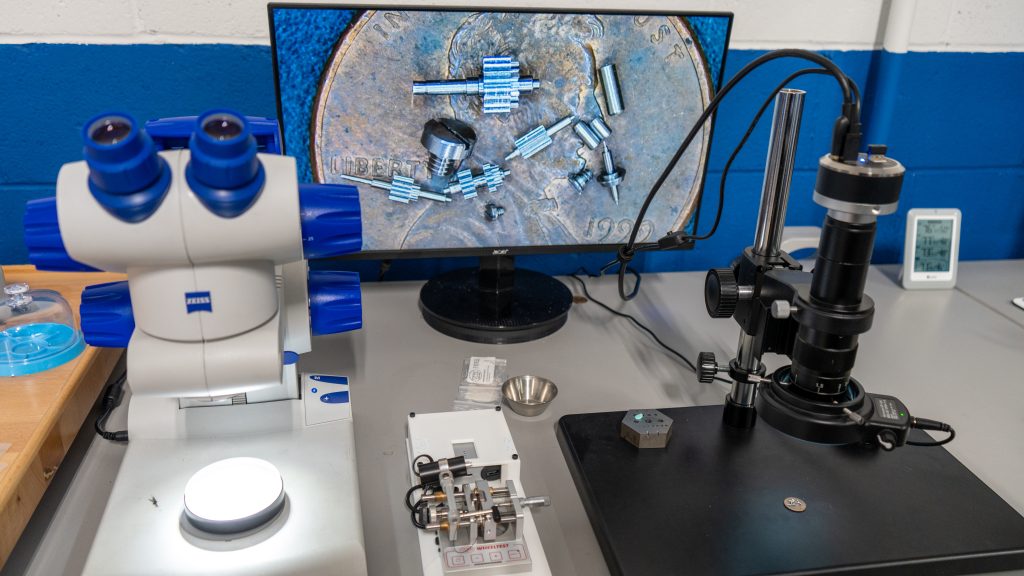
The difference in standards is stark: “Swiss Made” actually requires only 60% of a watch’s value to come from Switzerland. “Made in the USA,” on the other hand, demands nearly the entire product be built here. But in Switzerland, entire companies exist only to fabricate a single type of tiny screw. America’s once-vibrant watch industry and its suppliers? Long gone. Shapiro and his team are essentially rebuilding a supply chain system from scratch and recreating used to be an entire ecosystem.
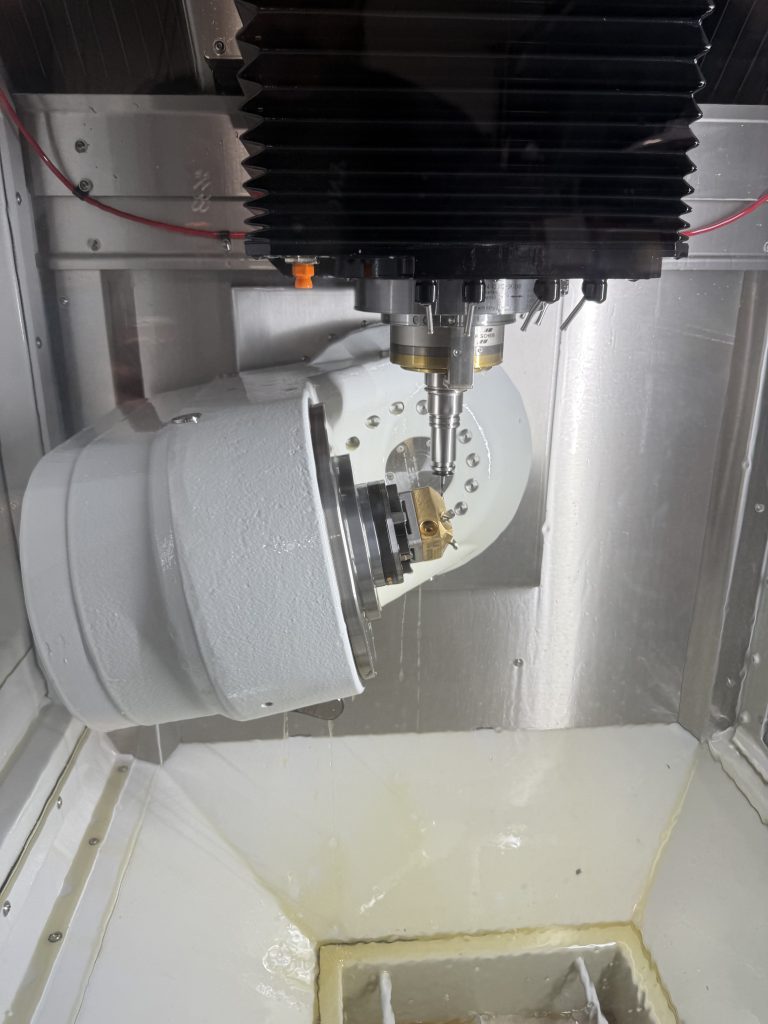
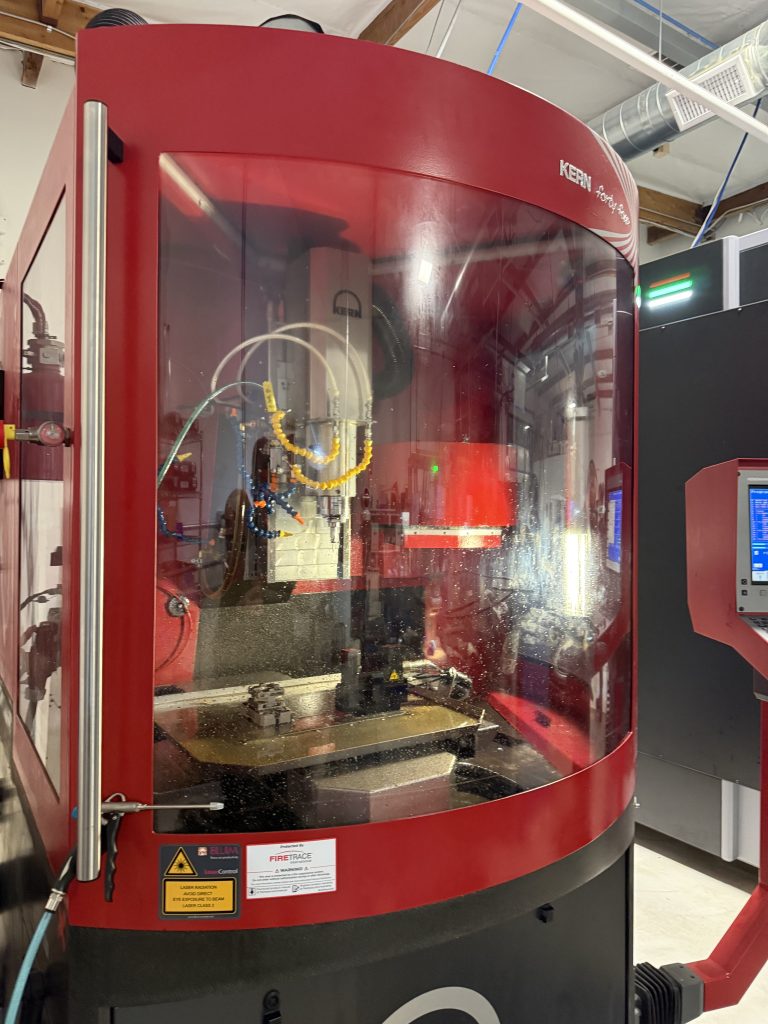
Vintage watchmaking was never vertically integrated. Different firms supplied different components across brands. Even with Rolex, whose original Daytona movement, for example, was made by Zenith. But JN Shapiro is going full-stack. They’re cutting, finishing, and assembling just about everything in-house with military-grade precision. In a past life I’ve toured defense contractors. This was a similar energy: focus, rigor, purpose, and standards. The main difference was perhaps only the Next Level Racing F-GT Lite Simulator Cockpit hooked up to a game console beside a large TV near the center of facility.
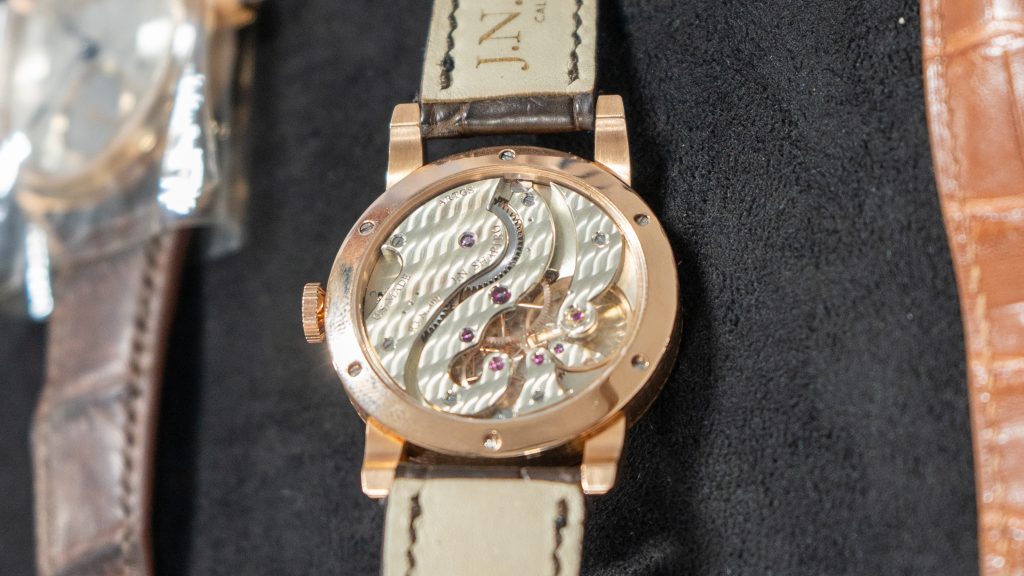
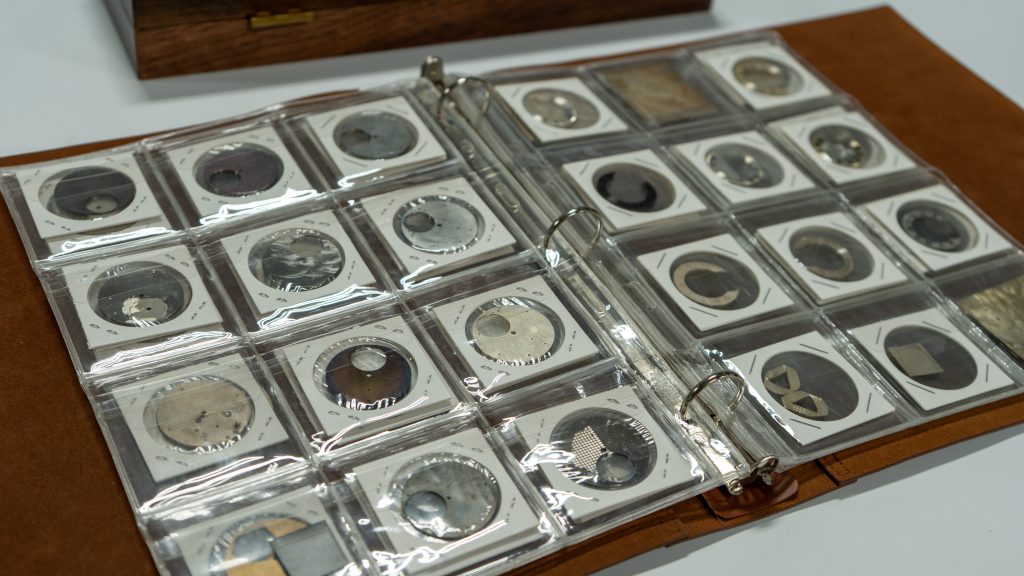
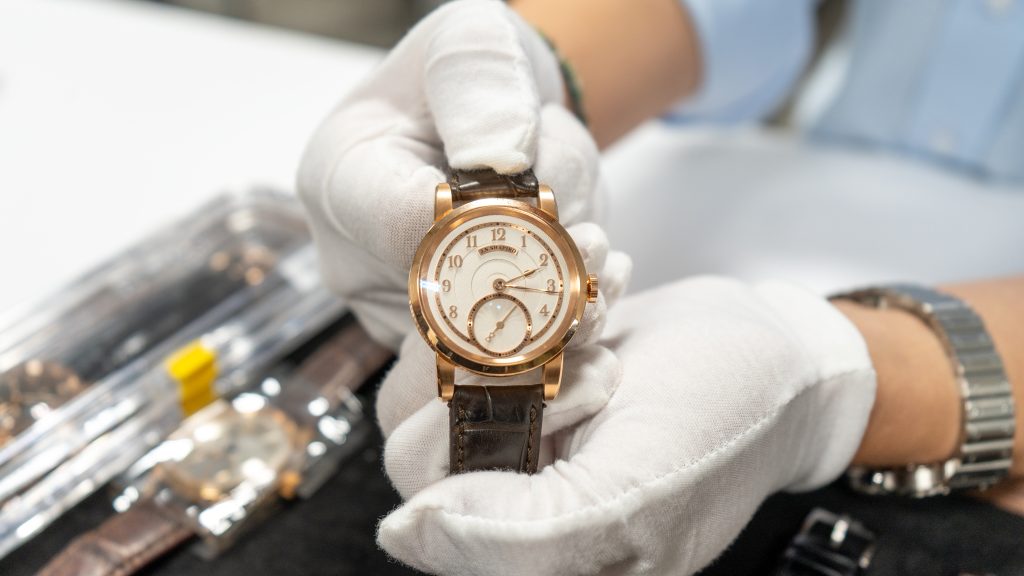
A few watches were of course on display, from the Resurgence and Infinity Series collections. Both are now completely sold out. The Infinity Series’ signature Infinity Weave guilloche pattern is genuinely stunning. Over the past couple of decades hand-finishing has evolved from a quiet mark of vintage craftsmanship to a bold statement of quality that modern prestige brands leverage as if it was itself a complication. Once tucked away behind the case back, techniques like anglage, black polish, and perlage are now celebrated by collectors and amplified across social media. As the spotlight on finishing intensifies, so does the challenge: telling genuine artistry from machine-assisted imitation.
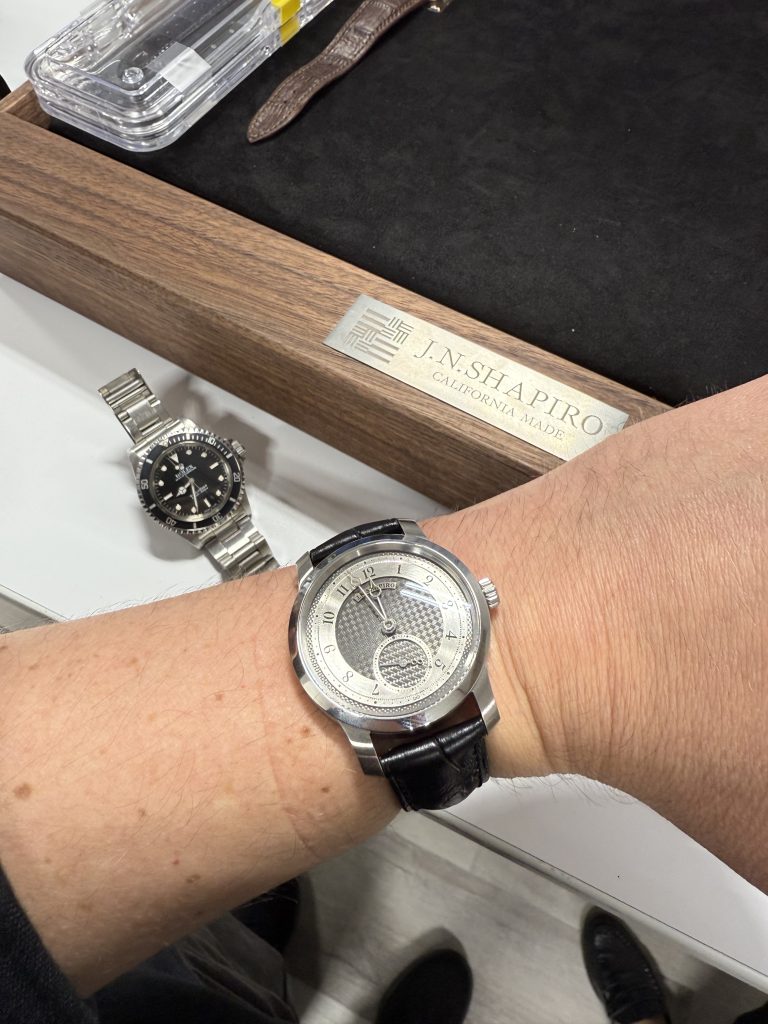
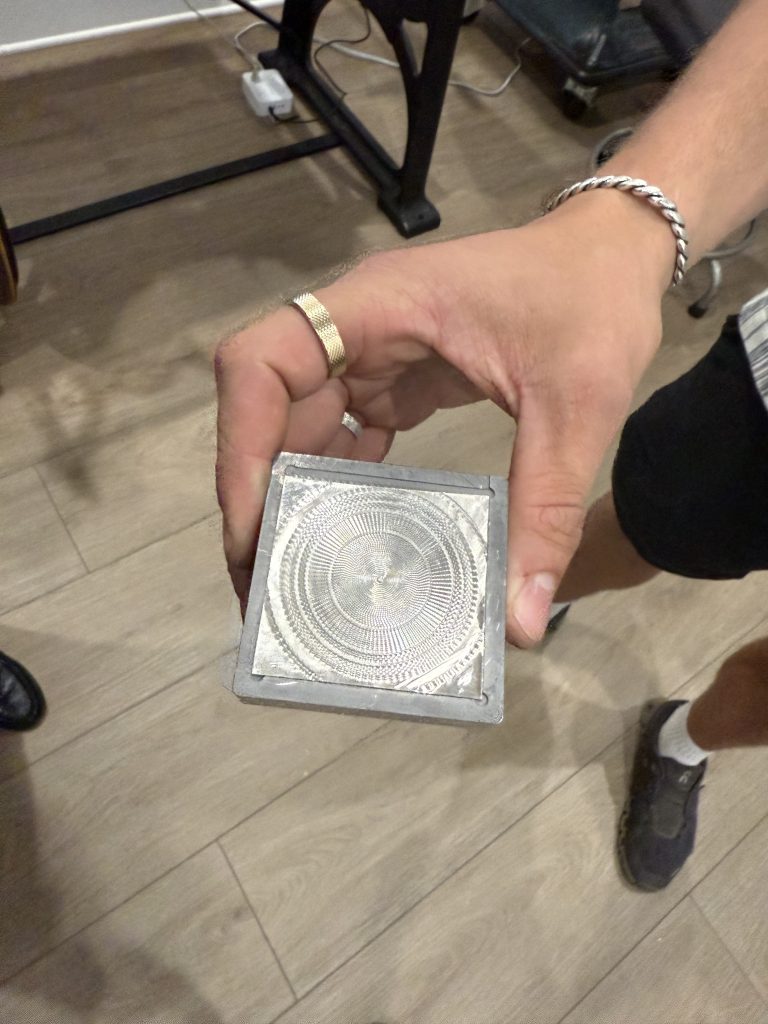
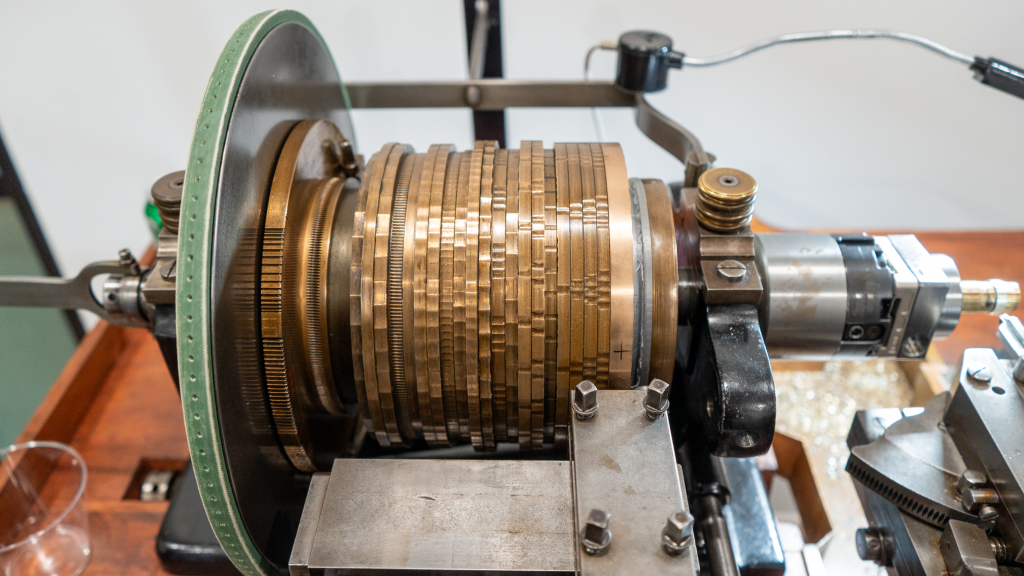
JN Shapiro dedication to quality and craftsmanship shows in everything from the watches to the factory itself. After a tour of the machinery and a closer look at the processes, I got to try my hand at guilloché on a traditional rose engine. These machines are specialized lathes that cut intricate repeating geometric patterns. It’s a meditative process and I’d almost volunteer to do it for free—though plenty of metal would likely be sacrificed in the process.
JN Shapiro isn’t just making watches. He’s making the statement, overt or not, that American horology can once again sit at the same table as the Swiss. The easy route would of course be to outsource. Cut costs. Speed things up. But he’s taken the harder path: making fewer watches, the hard way, the right way.
Now for a quick lighthearted comment on the watch club meeting aspect of my visit. In the dealer world it’s not a firm rule, but you won’t see too many of us, even if they also claim to be collectors, at watch clubs. You’d think a dealer would want to spend as much time as possible with watch collectors. After all, they buy watches. And in a way, dealers do. But have you ever had an announced, unexpected finger, slip around from behind you and stroke the underbelly of the timepiece on your wrist, followed by the firm pronouncement that your watch had indeed at one time been polished? Even followed by a caveated correction that it was “hardly polished,” I can only take so many unexpected inspections and finger strokes on the underside of my watches, while I’m wearing them. That could perhaps be your pleasure, but I leave that to you.
To close on a higher note, yes, the trip was very much worth the drive. Not just to see the watches, but to be reminded that craftsmanship still matters, and that somewhere not so far away, in a clean, humming workshop south of Los Angeles, American watchmaking is alive and well.
Spencer Gauthier, is the founder of GAUTHIER Watches and editor of GAUTHIER’S Vintage Watches & Culture Magazine.
——